
Published
How to compare event timestamps across substation feeders
Check the clock source, time zone, trigger and recording resolution before using event times to decide which feeder saw a disturbance first.
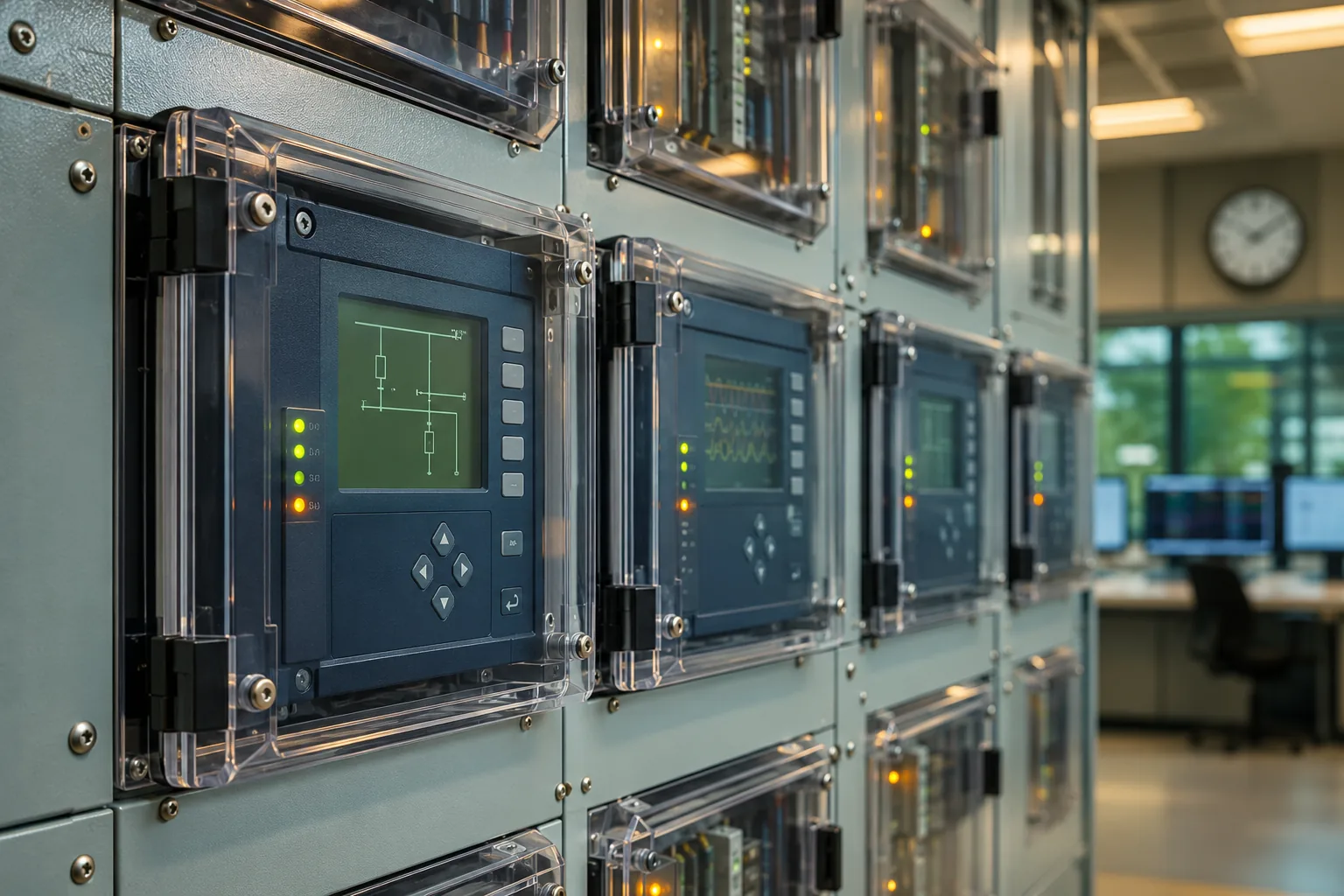
A station alarm list can make a disturbance look like a neat sequence of events. The first item on screen may simply be the first message the supervisory system received. A defensible timeline links the original instrument records to the actual feeder arrangement and makes timing uncertainty visible.
Which clock produced each timestamp?
For every record, note the instrument, feeder, time zone, clock source and synchronisation status at the time of the event. Distinguish a timestamp generated inside the device from one assigned when a gateway or control system receives a message. Preserve the original exports before aligning them for comparison.
Check what triggered each device. A voltage dip recorder and a digital input monitoring a breaker contact respond to different physical conditions. A difference between their timestamps can include the configured threshold, the device response and the timing of the underlying event.
When is the apparent order uncertain?
Suppose one recorder reports an event at 10:15:02.120 and another at 10:15:02.140. The reported difference is 20 milliseconds. If the relative clock uncertainty could exceed 20 milliseconds, the timestamp difference alone cannot establish which record came first. Three decimal places on a display describe resolution, not guaranteed accuracy.
Compare available waveforms and status transitions within the known uncertainty window. Use the current station diagram and operating state to decide which measurement locations can meaningfully be compared. The order of two alarms by itself does not locate the origin of a disturbance.
What belongs in the investigation record?
Keep the unmodified event files, a copy of the relevant diagram, the settings used to trigger recordings and a separate working timeline. Label any time correction and explain its basis. Where information is missing, record which observation would resolve the question. That is a more useful handover than assigning an unsupported sequence.