
Published
Planning a load baseline for new hospital equipment
Use a representative feeder history, the proposed equipment duty profile and the supply drawing to brief the hospital’s electrical design team.
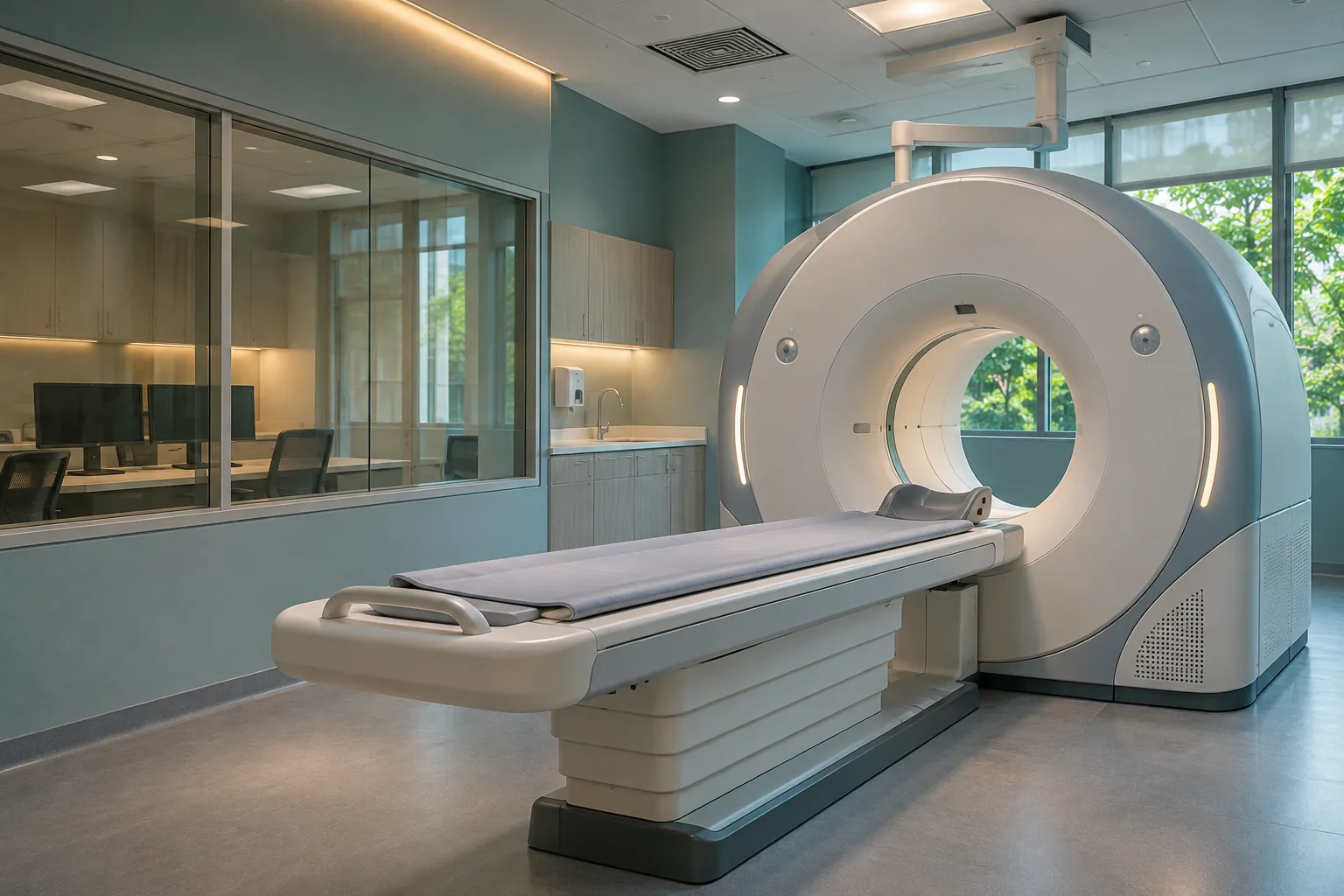
A proposal for a new imaging room usually includes a manufacturer’s electrical schedule. The facilities team also needs to know how the existing board is loaded when other departments are busy. A baseline gives the designer observed conditions against which to examine the proposal.
Which board and operating periods matter?
Trace the proposed connection back to the supplying board and identify the existing loads included in its meter reading. Mark any separate supplies for cooling or ancillary equipment. Record whether each observation belongs to the normal or alternative supply arrangement using the site’s documentation.
Choose data that includes the department’s real working pattern. Weekday clinics, evening use, weekends and planned plant downtime can all produce different profiles. Mark gaps explicitly. A quiet week during refurbishment is a poor stand-in for a normal busy month.
Why can a long average miss a short load?
Consider an illustrative 60 kW load running for five minutes in an otherwise idle 15 minute interval. It contributes 5 kWh and appears as only 20 kW averaged over that interval. A trend at that resolution will understate the equipment’s demand while it is operating.
Bring the interval length and measurement type to the design review. The designer can compare them with the supplier’s declared operating states, start characteristics and proposed duty cycle. A monthly energy figure alone cannot support a capacity decision.
What should the facilities team send the designer?
Provide the current single-line drawing, feeder and phase references, timestamped readings, meter interval, occupancy context and supplier information. Identify any shared services omitted from the feeder measurement. Keep assumptions about simultaneous use separate from measured observations. The responsible electrical designer can then determine whether further measurements or design work are needed before approving a connection.